
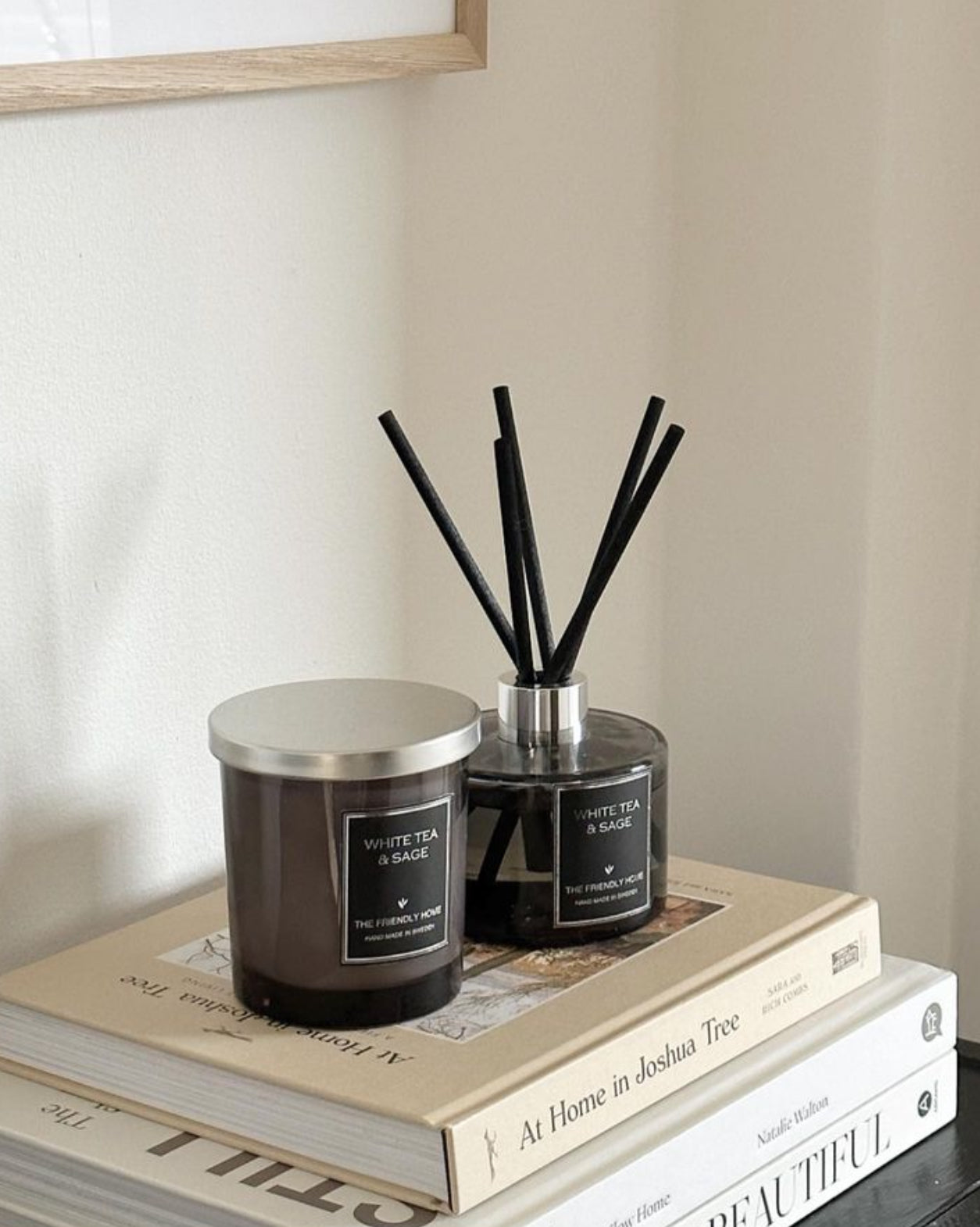
Room scents - different ways to create atmosphere
Scents are typically explained as consisting of three different levels of fragrance notes:
Top Notes – The first scents you perceive, often fresh and light, such as citrus, lavender, or mint. These scents are volatile and dissipate the quickest.
Heart Notes – The middle level, which gives the perfume its character. Examples of these can be floral, spicy, or fruity scents.
Base Notes – The heavier, long-lasting scents that provide depth and remain the longest. Examples include vanilla, musk, or woods such as cedar or sandalwood.
Chemically speaking, scents consist of molecules that activate our olfactory receptors. Our brain then interprets these signals and creates the scent experience we perceive. Scents are often associated with memories, which is why the same scent can be experienced very differently by different people.
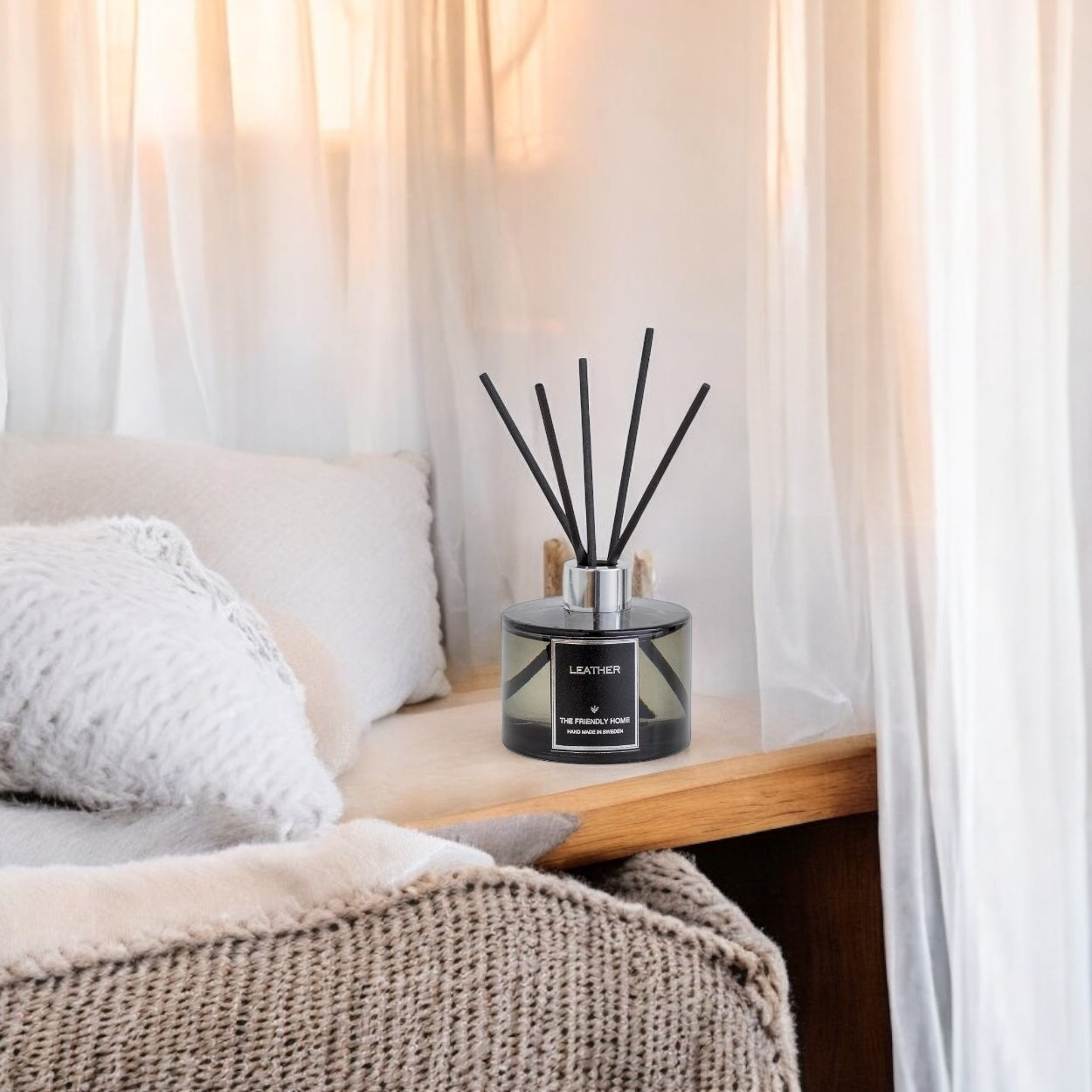
Reed diffusers contain 15–25% fragrance oil and are mixed with alcohol or a neutral oil. The intensity of the scent depends on the oil's composition and quantity. To enhance the scent, you can flip the reeds regularly.
Room mist is a light fragrance based on water with a low concentration of fragrance oil, often only a few percent. It is primarily used to refresh textiles like sheets and towels with a subtle scent.
Room spray contains 5–7% fragrance oil mixed with oil, providing a stronger and more long-lasting scent in the room.
Aroma diffusers create steam by mixing concentrated fragrance oils with water. This is an effective way to spread a long-lasting scent, but to avoid overwhelming the room, it should be used in moderation.
Whether it's about personal fragrance or creating a pleasant atmosphere at home, the choice of product and the amount of fragrance oil are crucial for the experience.